Dusk on a terrace is a slow handover. For twenty minutes the sky does most of the work, and then it stops, and whatever you have installed is suddenly the whole room. Guests notice the change even if they never mention it: a table that felt generous at seven can feel bleak at half past eight. Good evening lighting is not one switch. It is three layers doing different jobs — ambient light for atmosphere, task light for the things people need to see, and safety light for the parts of the terrace that must never disappear into shadow. Work through this checklist before the season starts, then again on the afternoon of a busy service.
Ambient Light: Set the Mood, Not the Ceiling
Ambient light is the wash in the background — the glow that tells a guest whether they have walked into somewhere warm or somewhere fluorescent. It should be low, slightly uneven, and clearly a step dimmer than anything at table level. When the background is as bright as the tabletop, faces flatten out and the terrace starts to feel like a waiting room.
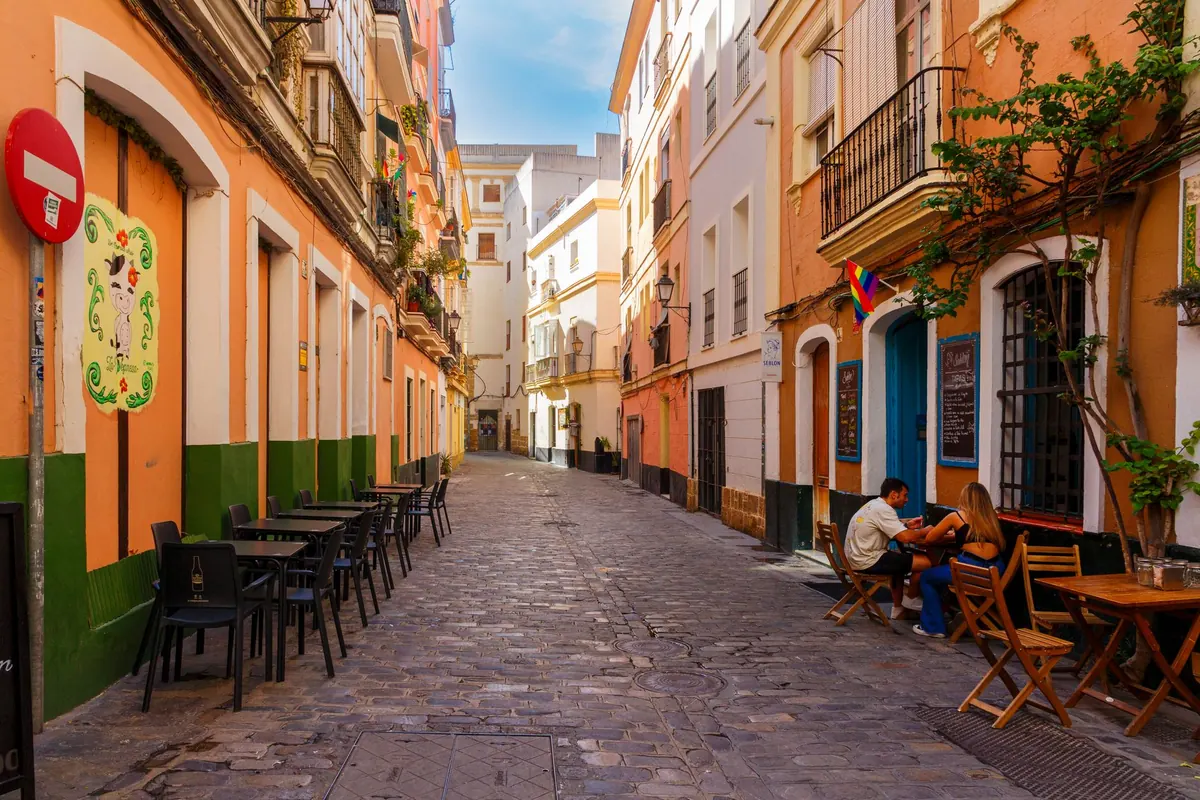
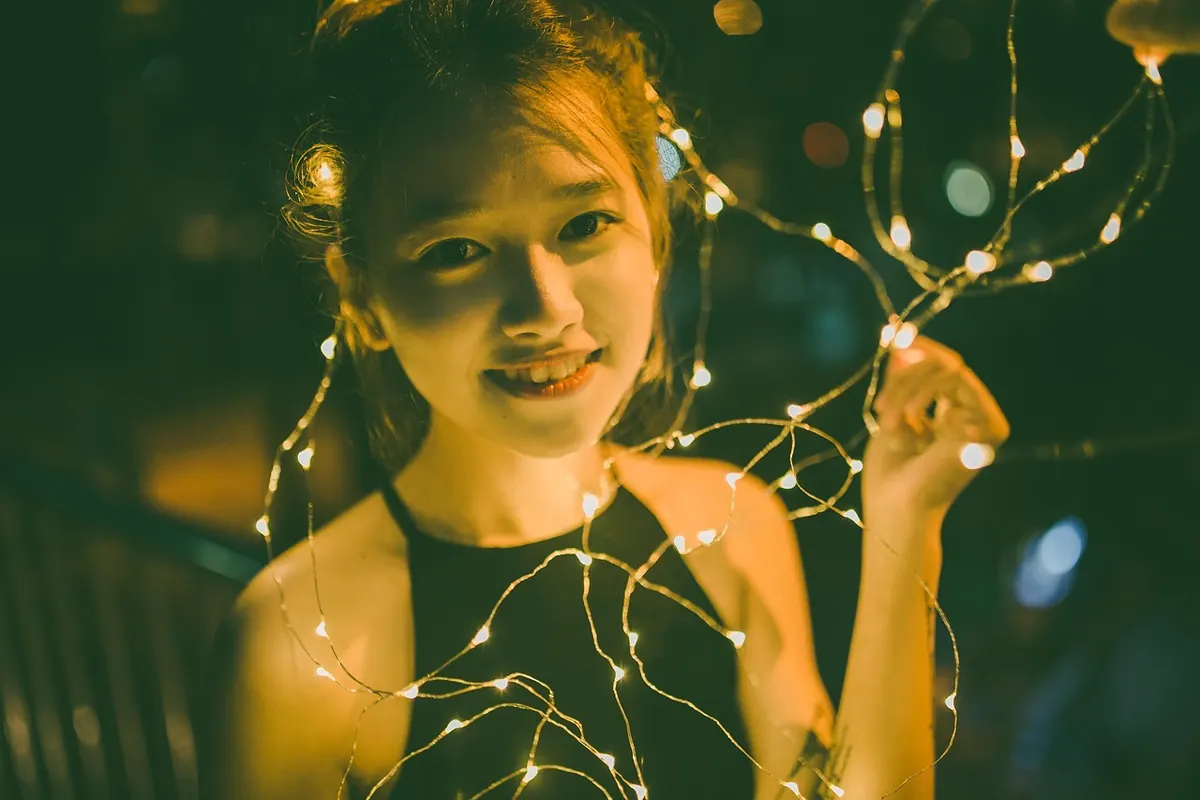
String lights, wall lanterns, and uplights aimed into foliage all do this well. A few practical points:
- Hang overhead strings high enough to clear heads — roughly 2.2 to 2.6 metres above the floor — and keep them off the centre line of walkways where they will be brushed.
- Aim for pools of light rather than an even flood. Slight variation is what makes a terrace feel hand-built rather than installed.
- Keep the ambient circuit on its own dimmer. You will want to pull it down at nine o'clock without touching the tables.
- Light the greenery before you light the walls. A tree or a row of planters lifted out of the dark does more for atmosphere than another glowing panel.
Task Light: The Part Guests Actually Use
Every table needs its own small source of light, close enough to reach the menu, the food, and the faces across the table. A single bright fixture high above will light the tablecloth beautifully and leave everyone's eyes in shadow. Side light is kinder: a small lamp or low pendant positioned to one side, roughly 30 to 45 centimetres above the surface, throws light across the plate and up onto the face without glare.
The menu test
Take a printed menu to the worst-lit table at eight in the evening and try to read the small type without tilting it towards the light. If you have to move the paper, the table is underlit. This is also where guests quietly give up and ask the server to talk them through the specials — a small operational cost repeated across a whole service.
The card reader test
Payment terminals, reservation tablets, and handheld ordering devices all need enough light to read a screen and find a chip slot. A table can be romantic and still fail this test. If the terminal lives in shadow, add a small downlight over the service station or ask staff to carry a low-glare pocket light.
Candles remain the warmest task light available and cost almost nothing to run. Use them where they are sheltered from wind, always in a stable holder, and never near paper menus or loose linens. Where a flame is impractical — a breezy corner, a family table with young children — a good LED candle in a lantern reads well from a metre away.
Safety Lighting: The Layer Nobody Notices Until It Fails
This is the layer that keeps people upright. It should be on a separate circuit, switched on before anything else, and never dimmed along with the mood lighting. Walk the terrace as a guest would, in the dark, and mark every place where the ground changes:
- Steps, thresholds, ramps, and single odd pavers that sit a centimetre proud of the rest.
- Level changes between decking and paving, and the edges of raised planters.
- Loose cable runs, heater feet, and the low legs of folding screens.
- The route to the toilets, the exit, and any fire equipment — all of which must stay visible and unobstructed at every hour of service.
Light the floor, not the eye. Low bollards, recessed deck lights, and step lights with shields or hoods do the job without blinding anyone. A bare bulb at seated eye level is worse than no light at all: it destroys night vision and leaves guests staring at a bright point instead of each other.
Fire regulations and electrical requirements vary by location and by the structure you are lighting. Have outdoor circuits installed and inspected by a qualified electrician, and check your obligations with the relevant local authority rather than relying on a general guide.
Colour Temperature, Dimming, and Separate Circuits
Warm white is the default for a reason. Somewhere around 2700K to 3000K flatters skin, makes timber and terracotta look rich, and keeps food appetising. Cooler light turns a rare steak grey and makes salad look tired; extremely orange light turns everything to the same muddy amber. If you are choosing between fittings, buy one of each, plug them in side by side after dark, and look at them next to a plate of food.
Colour rendering matters more outdoors than people expect, because there is no daylight left to compensate. Cheap lamps can make reds and greens look dull. Ask to see a fitting lit before committing to twenty of them.
Then sort the controls. Three circuits, three behaviours:
- Safety — on first, off last, not dimmable.
- Ambient — on a dimmer, pulled down gradually through the evening.
- Task — on a dimmer or switch, but held fairly steady so tables stay readable.
Check for flicker when dimmed low. It is far more noticeable by candlelight than in a bright room, and it is usually the dimmer rather than the lamp.
The Evening Setup Checklist
- Walk the full terrace from the street entrance to the furthest table, with the lights off, noting every hazard.
- Switch on safety lighting and confirm all step and path fittings work.
- Bring up ambient light and check for dark corners and blown bulbs.
- Light every table individually; replace dead candle batteries and top up oil lamps.
- Shield or reposition anything that sits at seated eye level.
- Read a menu and a payment screen at the three worst-lit tables.
- Dim ambient one notch and look again — most terraces are over-lit on the first attempt.
- Note any faults in a small log so the next shift knows what to fix.
Maintenance, Spares, and the Closing Round
Outdoor fittings live hard lives: rain, wind, salt air, and heater exhaust. Choose fittings rated for outdoor use, check cable glands and connections at the start of each season, and keep a box of spare bulbs, fuses, and batteries behind the bar. A single dead bulb in a run of festoon is the most common reason a terrace looks neglected, and it takes two minutes to fix.
At closing, do one last pass with the ambient light off and the safety light on. What you see then is the version of the terrace your staff navigate at midnight with an armful of glassware — and it should be generous, not a maze.
The Ten-Minute Test
Once everything is on, sit down. Not stand and admire — sit, at three different tables, at the height a guest actually sits, ideally around half past eight when the sky has gone. Look at your neighbour's face, look at the table surface, look past the railing to whatever is beyond it. If you can see the food, the menu, and the person across from you, and the dark edges of the terrace still feel inviting rather than forgotten, the layers are working. Adjust one thing, then leave it alone for the rest of the evening. Consistent light, night after night, is what makes a terrace feel like somewhere people want to stay.
Photo: ptksgc / Pixabay