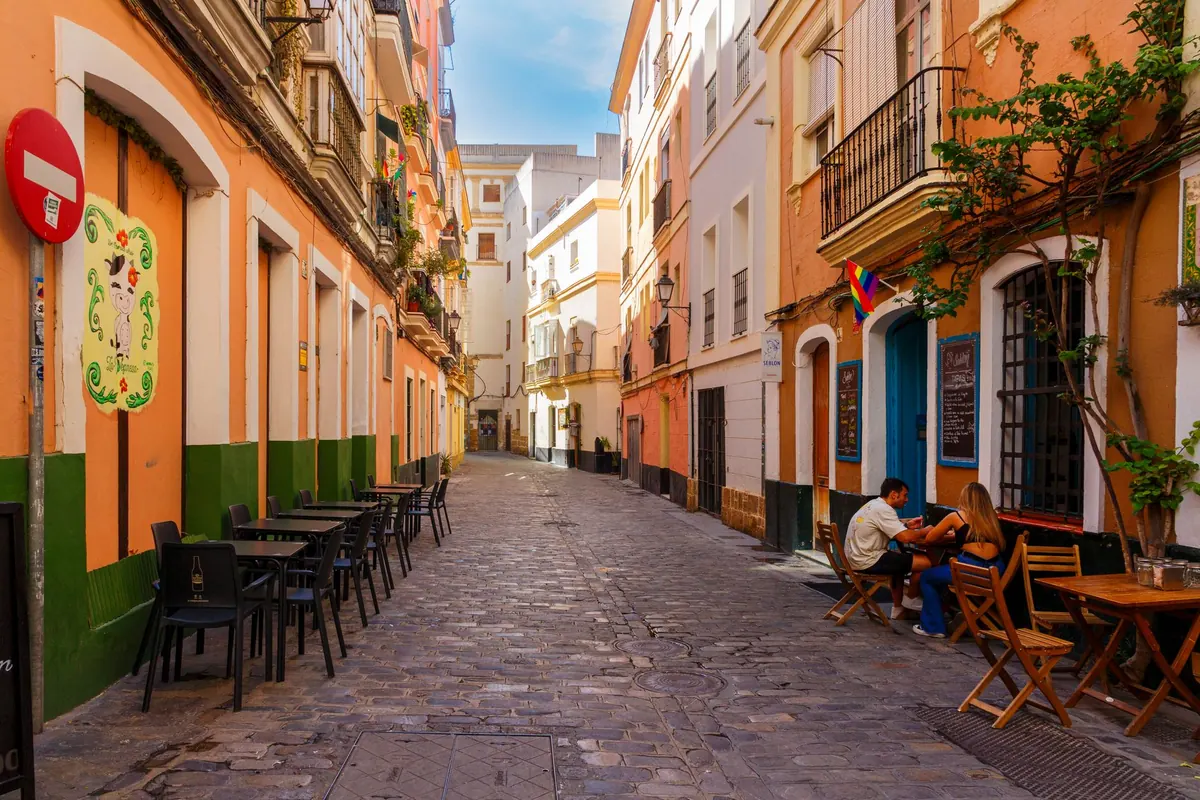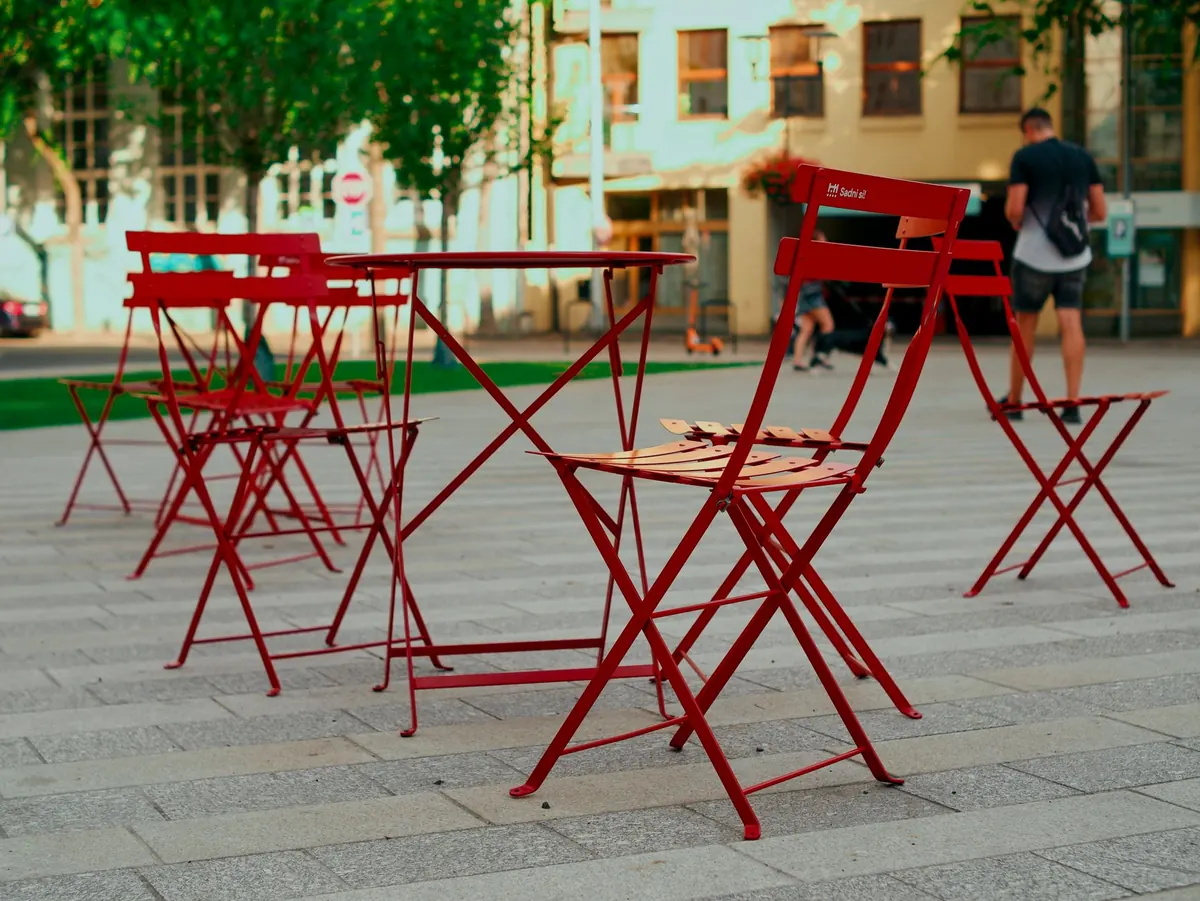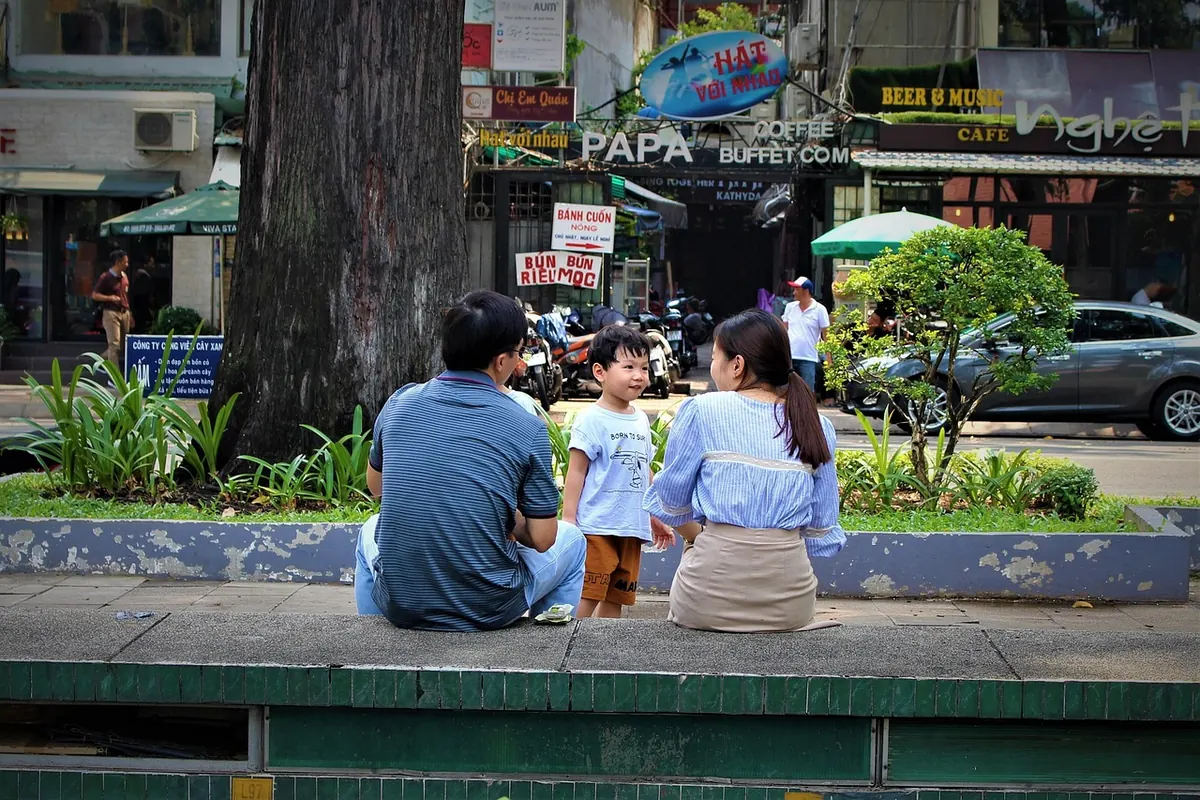
A street terrace has two jobs at once: it has to feel open enough to catch the eye of someone walking past, and calm enough that the people already seated want to stay. Those aims pull in opposite directions. Noise arrives from the road, from neighbouring tables, from cutlery and chairs. Privacy disappears when every conversation is visible from the pavement. The good news is that the fixes are rarely about building higher walls. They are about planters, screens, spacing and surfaces used with a little thought.
Audit the noise before you buy a single planter
Stand on the terrace at three moments: a quiet mid-afternoon, a busy lunch, and the last sitting of the evening. Listen for what dominates. It might be a bus stop, a delivery bay, a kitchen extractor, a speaker, or simply the scrape of metal chairs on stone. Note where the noise is loudest and where conversation becomes hard work.
Map the terrace into zones. The curb edge usually takes the traffic hit; the middle carries the clatter of service; the back wall may amplify kitchen noise or offer shelter. Treat each zone differently. A planter that saves the middle table may do nothing at the curb if the sound comes over the top.
- Listen seated, not standing. Ear height at the table is what matters.
- Note hard, flat surfaces that reflect sound: paving, glass, blank walls, metal tabletops.
- Identify the noisiest ten minutes of service, then design for that, not for a quiet Tuesday.
Planters do more than decorate
A row of small lavender pots is lovely and does almost nothing for noise. To earn its place, a planter needs mass, depth and dense growth. Think of it as a soft, living screen: the leaves and stems scatter sound, and the bulk blocks sightlines. A planter that reaches roughly eye level when seated will interrupt the view from the pavement and take the edge off nearby conversations; much taller than that and you risk blocking light and making the terrace feel like a corridor.
Density beats variety
Choose a few robust evergreens or dense grasses and repeat them. A continuous run of planting works better than a collection of gaps. Fill the planter properly, leaving no bare soil at the base where noise and sightlines slip through. A top layer of mulch or gravel also stops soil splashing and looks tidier.
Weight, drainage and safety
Large planters are heavy when wet, and street terraces are not always designed for extra load. Check what the surface and structure can take before you fill a long trough with soil. Keep drainage away from walking routes, and leave enough space for chairs to pull out. If the terrace is on a public pavement, confirm what the local authority allows before you place anything permanent. Permits and load limits vary, and it is worth getting that advice early rather than moving a ton of compost twice.
Screens: choose transparency over walls
A solid wall gives privacy and creates a new problem: it reflects sound back into the terrace and makes the space feel closed. Slatted timber, woven cane, perforated metal and outdoor acoustic fabric are usually better. They break up sightlines without sealing the terrace off, and they let air and some light through.
Place screens where they do the most work: at the noisiest edge, beside a table that feels exposed, or between the terrace and a service route. A movable screen is useful because it lets you adjust the layout for a quiet dinner or a busy weekend. Keep the height around seated shoulder or eye level; taller screens can feel like fencing.
Leave gaps on purpose
Small gaps between slats or panels stop the screen from acting like a drum. They also keep a view through to the street, which matters for passing trade and for a sense of welcome. If you use fabric, choose a tight outdoor weave that can be cleaned and taken down in bad weather. Avoid anything that flaps noisily in the wind; the cure should not become the problem.
Spacing is the cheapest privacy tool
Before adding another screen, look at the distance between tables. A little more space can do more for privacy than a whole row of planters. Guests should be able to talk without raising their voices and without feeling they are sharing a table with strangers. Staff need room to serve without squeezing between chairs.
- Stagger tables rather than lining them up like a canteen. Offset rows reduce direct face-to-face sightlines.
- Leave a clear buffer at the curb: a planter, a low screen, or a waiting bench, not a row of diners exposed to traffic.
- Keep the busiest service route away from the quietest tables. A folding screen or planter can define that route.
- Use different table sizes. A mix of two-tops and larger tables breaks up the grid and feels less exposed.
Surfaces quiet the clatter
Sound bounces off hard paving, glass and metal. You do not need to carpet the whole terrace, but you can soften the worst offenders. Outdoor rugs or decking tiles under seating areas reduce the scrape of chairs and the ring of dropped cutlery. Felt pads on chair legs are cheap and effective. Linen napkins, cushions and tablecloths absorb a little of the high-frequency clatter that makes conversation tiring.
Look up as well as down. A canopy or umbrella can trap sound or deflect it, depending on the material and height. A small fountain or water feature can mask a steady traffic hum, but keep it subtle and well maintained; a gurgling pump that needs fixing is worse than the road. In planters, mulch and dense ground cover soften the reflection from bare soil and pots.
Create privacy without turning inward
Privacy on a street terrace is not about hiding. It is about giving each table a sense of its own edge. Layer low planters, slatted screens and changes in level so that guests feel enclosed enough to relax, while the terrace still reads as open from the pavement. Keep the entrance visible. Leave gaps in the planting. Use warm, low lighting rather than bright overhead glare.
Privacy works best when it feels like a series of small rooms, not one locked door.
Aim for a rhythm: planter, gap, screen, planter. That rhythm breaks sightlines and softens sound without creating a fortress. If every table is boxed in, the terrace loses the street energy that made it attractive in the first place.
A practical sequence for a better terrace
Start with what you can change this week, then build. A sensible order:
- Audit. Sit at the worst table at peak time and list the noise sources and exposed sightlines.
- Soften. Add felt pads, outdoor rugs or decking tiles, and cushions where they will be used.
- Buffer the edge. Place the densest planters at the noisiest boundary, with no gaps at the base.
- Screen selectively. Add movable slatted or fabric screens beside exposed tables, not around the whole perimeter.
- Respace. Pull tables apart, stagger rows, and protect the quiet zone from the service route.
- Test and adjust. Eat a meal there yourself. Move one planter, tighten one gap, and listen again.
Before any fixed structure or change to the terrace footprint, check the local rules and your lease. A quiet, private terrace is a design problem, not a legal one, but the permissions still matter. Get those right, and the rest is mostly a matter of layering small moves until the space feels calm without feeling closed.
Photo: Irish83 / Pixabay