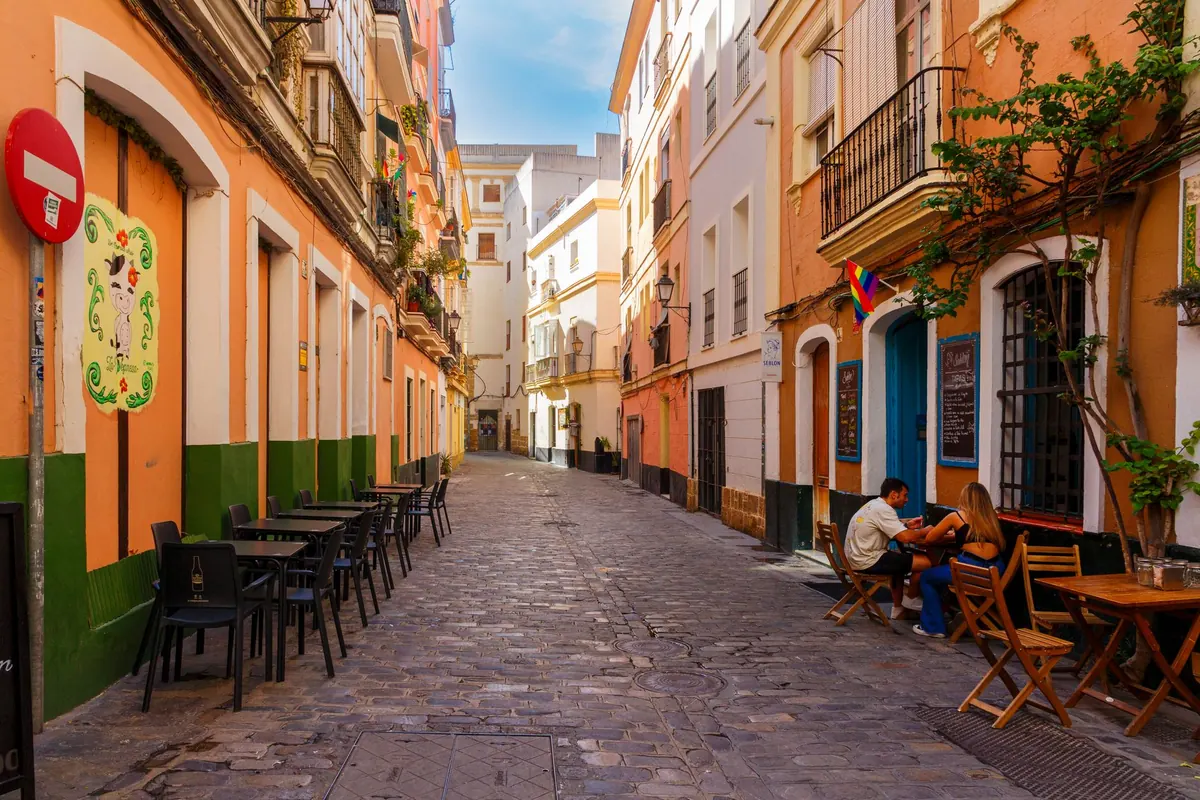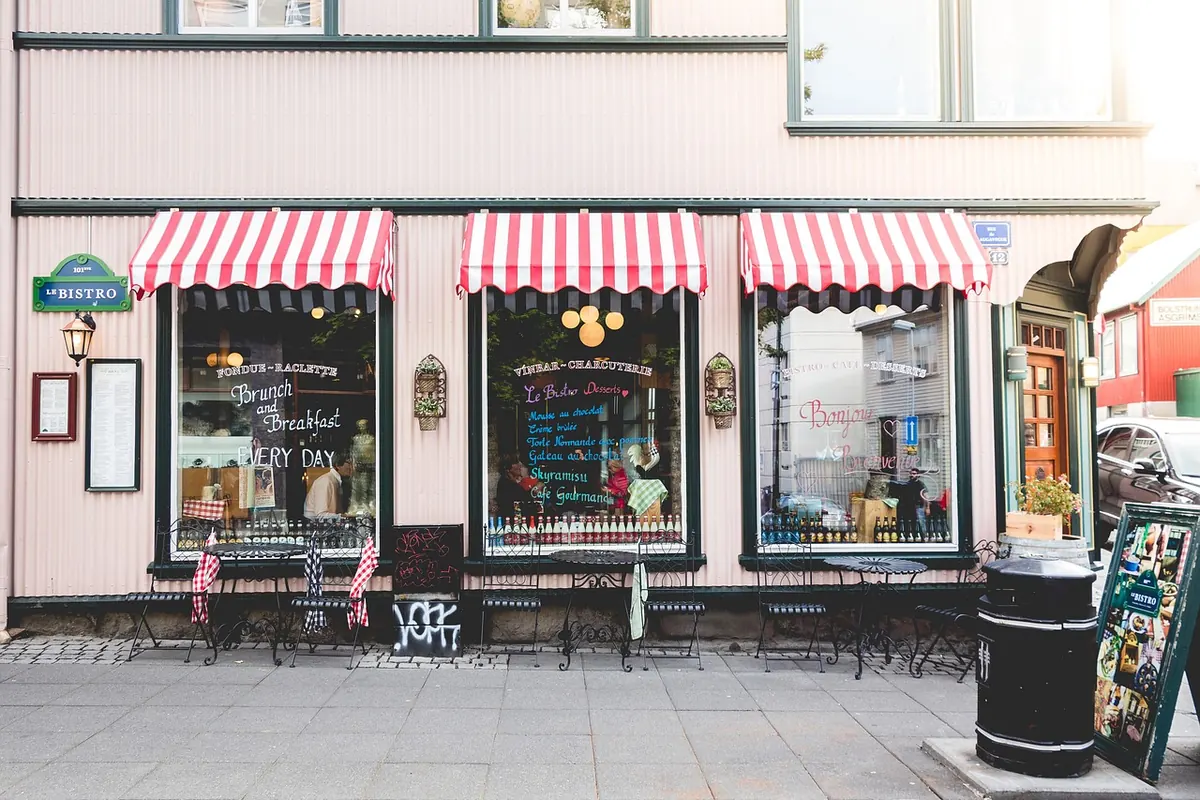
A street-side terrace works when it feels like a small room borrowed from the pavement—not a barricade. The best ones are generous to guests and polite to passers-by. They give you a place to sit with a coffee and a book while leaving enough clear space for a parent with a stroller, a courier, or two neighbors stopping to talk. The difference usually comes down to decisions made before the first chair arrives: how you measure, how you zone, how you furnish, and how you shade. Here is a practical sequence for a compact sidewalk terrace that feels inviting without taking the street hostage.
Start with a tape measure, not a mood board
Before you choose a table, walk the sidewalk at different times of day. Measure the full width, then measure it again with a friend standing where a chair might go. Note fixed obstacles: lamp posts, hydrants, tree pits, cellar doors, steps, ramps, and door swings from neighboring buildings. The number that matters most is not how much space you have in total, but how much clear pedestrian route remains after the terrace is in place. Aim for a continuous path that feels generous—wide enough for a wheelchair or stroller to pass without hesitation—and never narrower than your local authority allows.
Use painter’s tape to mark the proposed edge of the terrace on the pavement. Leave it there for a day and watch how people move. You will quickly see whether the path pinches near a doorway or whether a planter would push people into the road. Adjust the tape before you spend money on furniture.
Record the essentials in a notebook or on your phone:
- Total sidewalk width and the width of the clear path that would remain.
- Usable length, minus doorways, steps, and service access.
- Fixed obstructions and anything that opens, swings, or drains.
- Sun exposure through the day and prevailing wind.
- Where pedestrians naturally walk, pause, and queue.
Local rules vary, so check with your local authority before installing anything permanent. For anything involving structural work, licensing, or liability, take professional advice.
Zone the terrace like a small room
A compact terrace needs zones even if they are only a few feet wide. Without them, guests drift into the pedestrian path and staff have nowhere to move. Think of the space as four overlapping bands:
- Threshold zone: where guests enter and wait. Keep it open and obvious, with a menu stand or a small sign rather than a cluster of chairs.
- Dining zone: tables and chairs arranged so people can sit without stepping into the walkway.
- Service lane: a narrow internal path for staff carrying trays, water, and food. It can be informal, but it should not require guests to stand up.
- Edge zone: planters, a low rail, or a sturdy bench that defines the boundary without building a wall.
Use the edge zone to protect the dining zone. Low, heavy planters work better than rope or tape because they are visible, stable, and pleasant to look at. Keep them close to the terrace rather than jutting into the path. A simple rail can also help, but it must not create a chicane that forces pedestrians to zigzag.
Choose furniture that earns its space
Small terraces reward furniture with slim footprints. Round bistro tables are easier to move around than rectangular ones, and they let guests slide in from different angles. Chairs with arms can be comfortable, but check that they still allow someone to pull out a chair and sit down without stepping into the pedestrian route. Stackable chairs are useful if you need to clear the terrace at night or in bad weather.
Test every seat yourself. Sit down, stand up, and have someone walk past behind you. If you feel the need to tuck your elbows in, the arrangement is too tight. A fixed bench along a wall can save space, but make sure the table leaves enough room for legs and for service. Cushions add comfort, though they need dry storage and should not live outside in the rain.
Materials should suit the street: powder-coated metal, teak, or weatherproof woven furniture that will not blow over in a gust. Light plastic is easy to move but can look temporary and may slide in wind. Heavy cast iron is stable but hard to rearrange. Choose a middle ground and keep a few spare chairs inside rather than crowding every inch of pavement.
Shade the seats, not the sidewalk
Shade is essential for daytime dining, but bulky umbrellas can overwhelm a narrow terrace. Choose parasols sized to the tables rather than to the whole space. A centre-pole umbrella can obstruct sightlines and seating, so consider a cantilever model or a wall-mounted awning if the building and permissions allow it. Weighted bases are safer than loose stands, and umbrellas should be closed or lowered in wind and at the end of service.
Watch the sun path before you fix anything. Morning shade is not the same as afternoon shade, and a canopy that covers the seats may leave the service lane in glare. Keep the canopy inside your footprint so it does not overhang the pedestrian path at head height or drip onto passers-by. If you use plants for shade, choose species with manageable roots and keep leaves trimmed away from the walkway.
Layer comfort with light, plants, and small details
After dark, warm low-level lighting makes a terrace feel like a room. Battery-powered table lamps, clip-on lights, and wall-mounted fixtures avoid cables across the pavement. Light the edge of the terrace so pedestrians can see planters and chair legs. Greenery helps too: narrow planters of herbs, climbing plants on a wall, or a small tree in a stable pot. Keep growth clipped so it does not brush against people walking past.
Add small comforts that do not clutter the path: a water station near the entrance, a basket of blankets for cool evenings, menus in a holder, and a clear place for guests to wait. Avoid loud speakers; the street has its own sound. A clean surface, a visible ashtray if smoking is permitted, and a quick sweep between services will do more for the atmosphere than another decorative object.
Keep permissions and neighbors onside
Street-side dining touches public space, so rules matter. Licensing, pavement permits, accessibility, fire exits, noise, alcohol, and insurance requirements vary by location. Talk to your local authority early and ask specifically about barriers, signage, umbrellas, lighting, and permitted hours. Tell neighboring businesses and residents what you are planning. Keep deliveries, waste, and storage inside your own footprint, and make sure the pedestrian route stays clear even when the terrace is busy. For legal, insurance, or licensing questions, seek professional advice.
A final walk-through before service
Before you open, do a slow lap around the terrace as if you were a stranger. Then do it again as a guest. This final check catches the small problems that measurements miss.
- Walk the pedestrian route from both directions. Is there a clear, comfortable path?
- Sit in every seat. Can you get in and out without touching the person behind you?
- Check the shade at the busiest hour. Are the seats covered without blocking the walkway?
- Look for trip hazards: chair legs, planter corners, loose cables, uneven paving.
- Test the lighting after dark and make sure the terrace edge is visible.
- Clear menus, condiments, and service items from the pedestrian path.
- Ask a neighbor or a passer-by for an honest first impression.
A small terrace succeeds on precision, not volume. A few well-placed tables, a clear path, and shade that actually covers the seats will feel more generous than a crowded row. Measure, zone, edit, and repeat at the end of the day. The street will tell you what is working.
Photo: Foundry / Pixabay